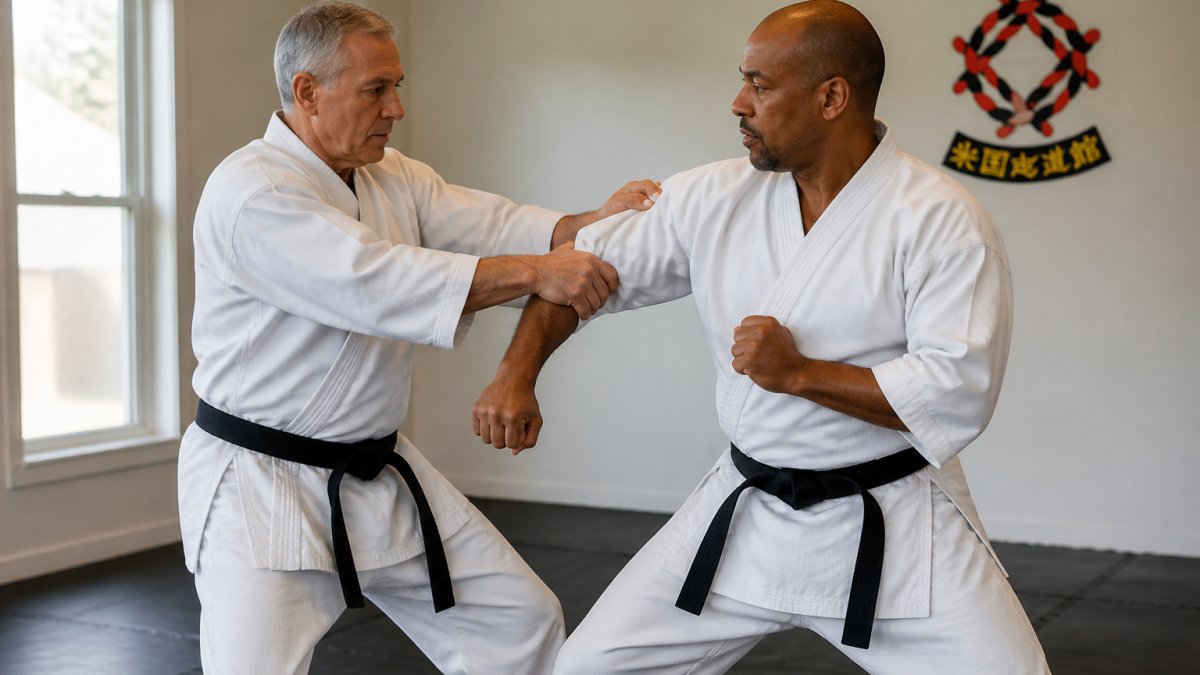
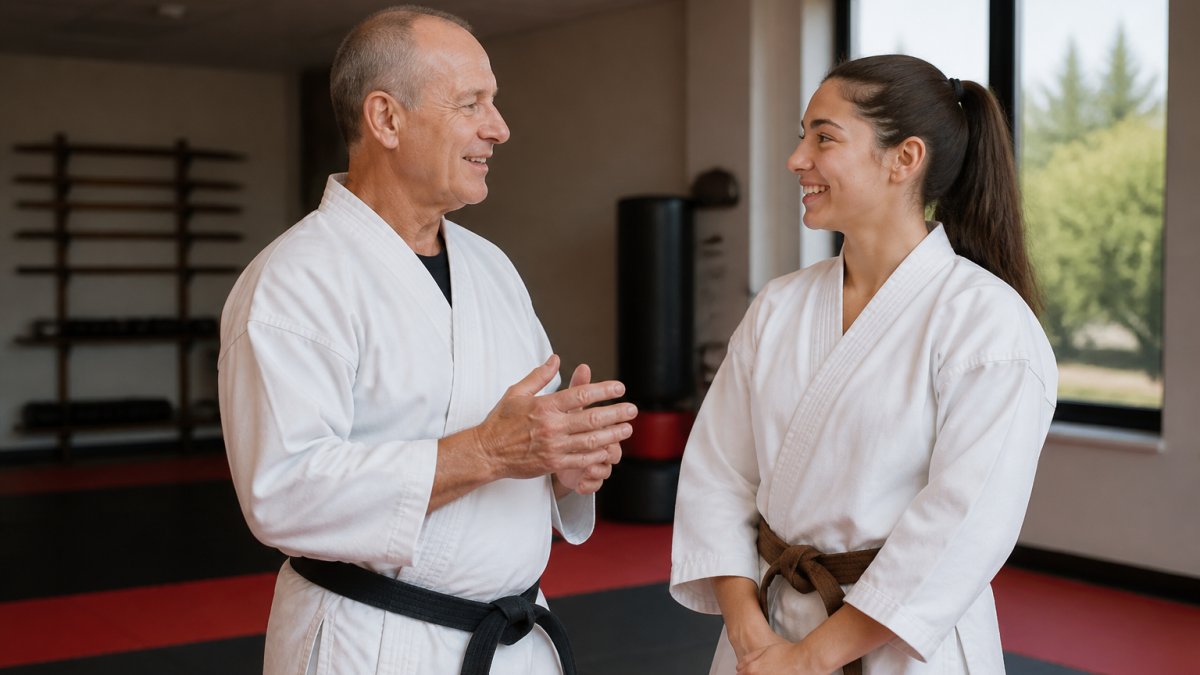
 comparison
Karate Classes Without Long Term Contracts: Alexandria Guide
Table of Contents
- Why No-Contract Karate Classes Are Worth Comparing in Alexandria
- Karate School Contract Questions to Ask Before You Sign Anything
- Month-to-Month Karate Classes: What Flexible Enrollment Actually Looks Like
- What a Karate Class Trial Session Should Tell You Before You Enroll
- How to Choose a Karate School in Alexandria Without Getting Locked In
- Virginia Dojo: An Alexandria Option With No Contracts
- Conclusion
- Frequently Asked Questions
Last Updated: October 18, 2026
Why No-Contract Karate Classes Are Worth Comparing in Alexandria
Finding karate classes without long term contracts starts with one question: what are you actually committing to? At Virginia Dojo, we've watched adults in Alexandria walk away from good instruction because the paperwork felt like a trap.
The case for comparing is simple. Month-to-month karate classes put the pressure on the school to keep earning your attendance every month.
Below, we'll show you exactly what to ask, what to read closely, and how to verify a no-contract claim before you hand over a card.
Karate School Contract Questions to Ask Before You Sign Anything
Ask for the full agreement in writing and read it before your first payment, not after. A school that hesitates to hand over paperwork is telling you something useful. The goal here is not to catch anyone out.
Here is the plain-language checklist we walk adults and mature teens through at our Alexandria dojo, and it works at any school you visit.
The plain-language contract checklist
- Term and end date. Write down the start date, the number of months, and the exact end date. If the agreement says "twelve months" but never states an end date, ask for the date in writing.
- Billing cycle. Confirm whether tuition is drafted monthly, quarterly, or paid upfront, and on which day of the month the draft hits your account.
- Notice period. Find the number of days of notice required to stop training. Thirty days is a common pattern; some agreements require sixty. The notice period, not the term length, is what usually traps people.
- Notice window for renewal. If the agreement renews automatically, find the window in which you must give notice. A common pattern is a window that opens thirty to sixty days before the renewal date and closes before it. Missing the window can roll you into another term.
Questions About Cancellation, Refunds, and Automatic Renewal
Cancellation is where contracts earn their reputation. Ask three specific questions: How do I cancel, how much notice is required, and what do I get back?
Get the answer in writing, even if it's an email. Ask whether cancellation requires a form, certified mail, or an in-person visit, because the method matters more than the promise. Then ask when the notice window opens for automatic renewal.
How to verify a no-contract claim in about ten minutes
Verification is a short, practical exercise, and it is the step most guides skip.
- Ask for the enrollment form and read the cancellation and renewal sections word for word.
- Ask a direct question by email: "If I stop coming next month, what do I owe, and what do I need to do to cancel?"
- Ask for the answer in writing and keep it. A written answer you can reread later beats a friendly conversation at the front desk.
- Compare the written answer against the form. If they disagree, treat the no-contract claim as unconfirmed.
The answer should be simple and immediate. If it requires a phone call to a manager or a reference to a policy you can't see, treat the no-contract claim as unconfirmed.
Month-to-Month Karate Classes: What Flexible Enrollment Actually Looks Like
Month-to-month karate classes mean you pay for one month at a time, with no obligation beyond it. That's the whole definition, and it's worth holding schools to it precisely.
In practice, flexible enrollment should look like this:
- You pay monthly, and the amount is stated clearly up front.
- No enrollment fee, or a small one disclosed before you commit.
- You can stop by giving notice, with the notice period written down.
- No penalty for leaving, and no requirement to buy out a remaining term.
What most guides miss is that "month-to-month" and "no contract" are not always the same thing. Some schools run month-to-month billing inside a twelve-month agreement. Ask which one you're getting.
The cost categories to itemize before you compare schools
Most comparisons stop at the monthly tuition line. That is the wrong number to compare, because the total cost of training includes several categories that schools disclose inconsistently. Ask every school to itemize these on one page, in writing:
- Monthly tuition. The recurring amount, and whether it changes after an introductory period.
- Enrollment or sign-up fee. A one-time charge at the start; ask whether it is refundable.
- Uniform cost. Whether a uniform is included, required, or sold separately.
- Testing or rank fees. What a rank evaluation costs and how often it is charged.
A school that can hand you this list without hesitation is usually a school that has nothing to hide. A school that answers each line with "we'll figure that out later" is telling you something useful. Transparency in these initial discussions serves as a vital foundation for choosing martial arts that align with a student's personal development and comfort level.
Side-by-side comparison criteria
Once you have the itemized costs, compare schools on these criteria rather than on the monthly tuition line alone:
- Flexibility. Notice period, renewal window, freeze policy, and cancellation method.
- Total cost. Tuition plus every fee category above, added up over a realistic training year.
- Trial options. Whether a trial is free, paid, or credited toward enrollment.
- Class offerings. Whether the schedule includes the adult and mature-teen sessions you actually want.
Local class fit and logistics in Alexandria
Flexibility is only useful if the schedule fits your actual week. Before you enroll anywhere in Alexandria, check the class times against your commute and your obligations, confirm whether beginner sessions are offered at the times you can attend, and ask whether the studio is reachable by transit or has parking. A school with classes you can't reach is a school you'll stop attending, and no cancellation policy makes up for that.
What a Karate Class Trial Session Should Tell You Before You Enroll
A trial class should answer one question: can I see myself training here at least twice a week? Everything else is secondary.
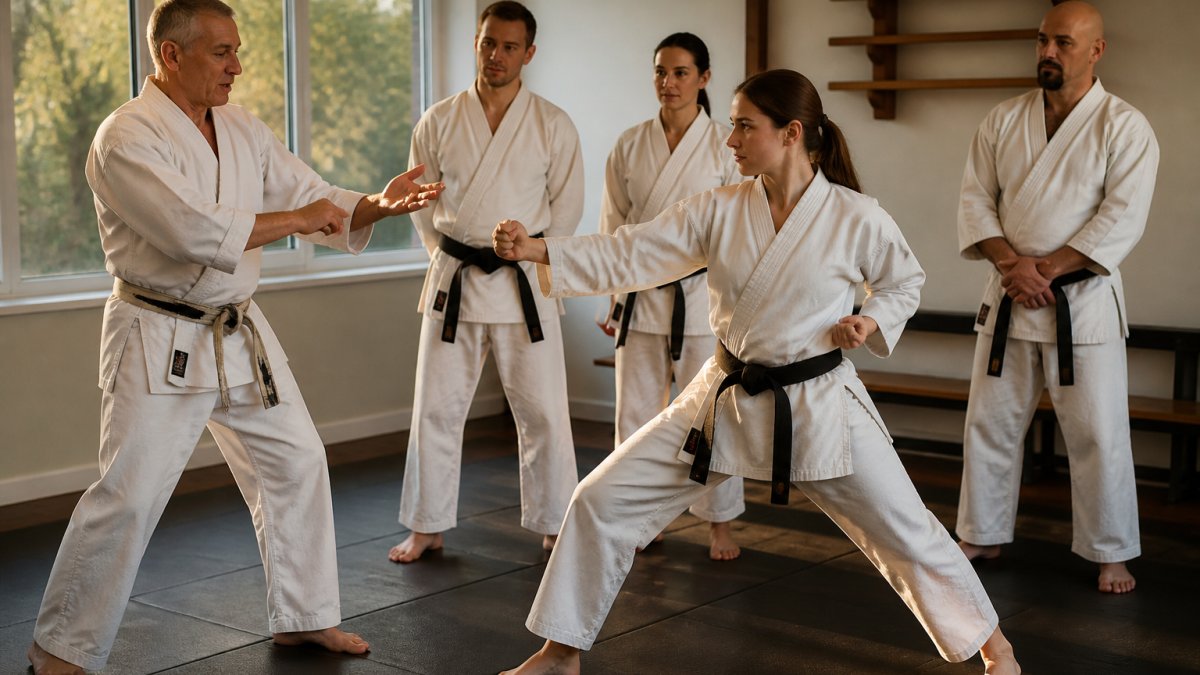
Watch how the instructor handles the least experienced person in the room. That tells you more about the teaching than any brochure.
What to Watch For During the Trial
Pay attention to the pace and the corrections. A good instructor adjusts for different fitness levels and explains why a movement works, not just how to copy it.
Start Now Before Someone Nabs Your Spot in Class! →
Ask yourself:
- Did anyone check your balance, knees, or shoulders before asking for a deep stance?
- Did the instructor explain the purpose of a technique, or just demonstrate it?
- Did the class feel like a fitness session with a martial arts theme, or actual instruction?
- Did staff pressure you to sign up?
How to Choose a Karate School in Alexandria Without Getting Locked In
Choosing well comes down to verifying claims rather than accepting them. Any school can say "no contracts" on a website. Your job is to confirm it in the paperwork.
Use this checklist before you enroll anywhere:
- The full agreement was provided before payment, not after.
- Monthly tuition is stated in writing, with every fee itemized.
- The cancellation method and notice period are written down.
- No automatic renewal, or the renewal terms are clearly explained.
- The refund policy is documented, not just described verbally.
That schedule point deserves emphasis. Consistent attendance is what produces results, and a school with classes you can't reach is a school you'll stop attending.
How to Verify a No-Contract Claim
Verification takes about ten minutes. Ask for the enrollment form and read the cancellation section word for word. Then ask a direct question: "If I stop coming next month, what do I owe?"
The answer should be simple and immediate. If it requires a phone call to a manager or a reference to a policy you can't see, treat the no-contract claim as unconfirmed.
Virginia Dojo: An Alexandria Option With No Contracts
For adults and mature teens in Alexandria who want instruction without a commitment, our program is built around that principle. We run the Virginia Dojo’s Okinawan Shorin Ryu Shi-Do Kan Karate with no contracts, taught by a 9th-degree master with over 50 years of experience.
The training focuses on natural movement rather than brute strength, which suits adults who want better balance, flexibility, and practical self-defense without a competitive atmosphere. New students receive a free karate uniform, and there are no hidden terms attached to it.
If you're searching for karate training near me in Alexandria, the sensible first step is a trial class. Our Adult Self Defense Karate program and our Womens Self Defense classes are both open to beginners, and our Mid-Day Dojo Class suits adults who prefer training outside the evening rush.
One honest limitation: our schedule won't suit everyone, and we'd rather you check it before enrolling than cancel later.
Conclusion
The real challenge isn't finding a dojo in Alexandria. It's finding one that will show you the terms before you ask. Start with a trial class, ask the cancellation question in writing, and treat any hesitation as your answer.
At Virginia Dojo, we teach Okinawan Shorin Ryu Karate for adults and mature teens with no contracts and a free uniform for new students.
Frequently Asked Questions
What should I ask a karate school before signing an agreement?
Ask for the total monthly cost, any sign-up or enrollment fee, and whether testing fees are separate. Confirm the contract term, the notice period required to cancel, and whether the agreement renews automatically. Ask for the cancellation and refund policy in writing. A school that offers no-contract karate classes should be able to answer these questions plainly and put the terms in a document you can keep before you pay anything.
How much are karate classes a month?
Monthly tuition varies by school, class frequency, and whether the program includes a uniform or testing. Virginia Dojo does not publish prices here, so contact the school directly for current rates and ask what the monthly fee covers. When comparing karate classes without long term contracts, ask each school for an itemized breakdown: monthly tuition, sign-up fee, testing fee, and uniform cost. That total is the number to compare, not the headline monthly rate.
Can I try a karate class before deciding to join?
Many schools offer a trial session or introductory program, and some advertise a first class free. Use the trial to check class size, how the instructor explains movements, and whether the pace suits your fitness level. Ask whether the trial carries any obligation and whether you must sign anything to attend. A genuine no-contract school will let you try a class and then decide without pressure.
How do I compare a month-to-month karate program with a longer commitment?
Add up the full cost of each option over the same period, including sign-up fees, testing fees, and any annual dues. Then weigh flexibility: a month-to-month membership lets you stop with the required notice, while a long-term contract may charge a termination fee. If you are new to karate or unsure about your schedule, the flexible option usually carries less financial risk even if the monthly rate is slightly higher.
Is it too late to start karate as an adult?
No. Adult beginners start at every age, and programs built for adults and mature teens adjust the pace to the student. Look for a school that teaches natural movement rather than brute strength and that lets you set your own training goals. A trial session is the clearest way to judge whether the instruction fits your balance, flexibility, and comfort level before you commit to any membership. The Virginia has students aged 76 to a few teens. The average age hovers around 45.